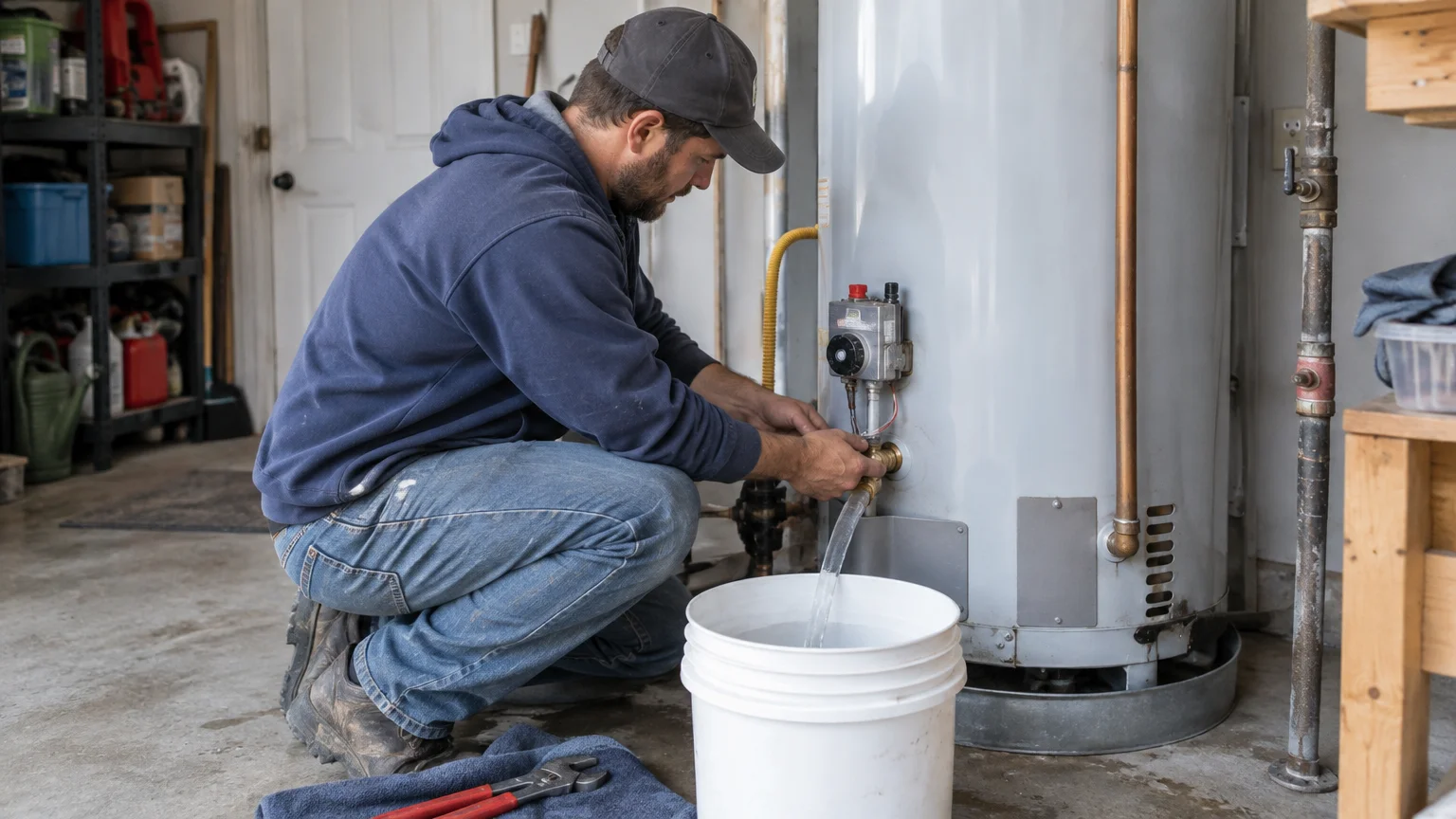
Most tank water heaters should be flushed about once a year, but the right timing depends on water quality, daily use, and tank condition. Learning how often to flush a water heater can help limit sediment, protect heating parts, and find leaks before the system stops working. Clayton NC Plumber helps property owners understand when maintenance, repair, or replacement makes sense.
A water heater can work well for years, then start making popping sounds or provide less hot water. Sediment often causes these changes. The right schedule may differ for a home, rental property, or small business.
How often should you flush a water heater?
Most manufacturers suggest flushing a tank water heater once each year. This removes loose minerals and debris from the bottom of the tank. A home with hard water may need service more often than a home with cleaner water.
Household use also affects the schedule. A large family, busy rental home, or small business sends more water through the tank each day. More use can leave more sediment behind over time. Homes in Clayton may also have different needs based on local water conditions.
Why manufacturers commonly recommend annual flushing
Sediment is material that settles from water and collects inside the tank. It can include minerals, sand, and other small pieces. A thick layer may sit between the burner or heating element and the water. This makes the system work harder to heat the same amount of water.
Annual flushing gives a plumber a chance to remove loose buildup. It also gives the owner a chance to check the drain valve, pressure relief valve, connections, and anode rod. An anode rod is a metal part that helps protect the tank from rust. Anode rod replacement may help protect a tank when this part is worn.
Flushing also helps reveal small changes before they become larger problems. A drain valve that will not open, a wet connection, or a weak relief valve needs care. These checks do not replace a full inspection when the unit shows signs of damage.
How water quality and household usage affect timing
Hard water can form scale faster. Scale is a hard mineral coating that sticks to heating parts and pipes. A home with cloudy water, frequent sediment, or repeated heating trouble may need a schedule based on its own conditions.
Heavy use can shorten the time between flushes. Tenants and property owners should report changes early. A water heater that runs out of hot water quickly, leaks, or makes loud sounds needs attention even when its yearly service date has not arrived.
A toilet not flushing or slow drains may point to a separate plumbing issue. Those problems do not usually mean the water heater needs flushing. Still, several plumbing changes at once are a good reason to have the system checked.
What happens if you do not flush your water heater?
Skipping maintenance lets sediment collect at the bottom of the tank. The system may heat water less evenly, make more noise, and take longer to recover after heavy use. In serious cases, buildup can reduce usable tank space and strain heating parts.
Sediment does not always mean the water heater needs replacement. A qualified plumber can inspect the unit and decide whether flushing, water heater repair, or another service fits. The tank’s condition matters more than one missed visit.
How sediment affects heating performance and capacity
A thick sediment layer can act as a barrier between the water and heat source. Gas units may need to run the burner longer. Electric units may place extra stress on their heating elements. Both types may use more energy while producing less useful hot water.
Sediment can also move through the tank during use. It may clog a valve or collect in a faucet aerator. If hot water looks cloudy, flow becomes weak, or the tank makes repeated rumbling sounds, the system needs a closer look.
A drain that cannot handle discharge may also overflow during service. Keep the area around the heater clear so a plumber can inspect the tank safely. This is simple upkeep for homeowners and property managers.
What warning signs mean a water heater needs attention?
A water heater should be checked when its sound, temperature, or normal operation changes. Important warning signs include:
- Water around the tank, drain valve, or nearby connections
- Rust-colored hot water from more than one fixture
- Popping, banging, rumbling, or cracking sounds during heating
- Hot water that runs out much sooner than before
- Water temperature changes without moving the tap
- A pilot light that will not stay lit on a gas unit
A leaking tank is not the same as a leaking connection. A loose fitting or valve may be repairable. Corrosion through the tank usually points to water heater replacement. Emergency Plumbing may be needed when water spreads, the unit is unsafe, or the property has no dependable hot water.
How do you flush a tank water heater safely?
A routine flush starts by stopping the heat source, attaching a safe drain hose, and directing water to an approved drain area. The steps differ for gas and electric units. Anyone working near hot water, gas, electricity, or a pressure valve must follow the maker’s instructions.
What are the main steps in a routine flush?
A basic flush usually follows this order:
- Turn off the gas control or electrical power to the heater.
- Let the water cool before opening the drain.
- Close the cold-water supply valve above the tank.
- Attach a hose to the drain valve and place it safely.
- Open a hot-water tap to help release pressure.
- Open the drain valve and let the tank empty.
- Briefly open the cold-water supply to loosen leftover sediment.
- Close the drain, refill the tank, and restore power or gas only when full.
Water from the hose may be hot and may contain sharp mineral pieces. A drain that cannot handle the flow may overflow and damage floors or walls. An electric heater must be full before power returns, or its heating elements may fail.
A homeowner does not always need a professional for simple checks. You can read the owner’s manual, watch for visible leaks, keep stored items away, and note changes in sound or temperature. Stop if the drain valve is stuck, the water is very hot, or the unit looks damaged.
When should a professional plumber handle flushing?
Do not work on gas controls, electrical wiring, damaged valves, or a leaking tank without proper training. A plumber for water heater service can inspect stubborn sediment, failed valves, unsafe venting, leaks, and tankless systems.
Gas safety needs special care. If you smell rotten eggs, hear hissing near a gas appliance, or suspect a gas leak, leave the area. Contact the gas utility or emergency services from a safe place. Do not test a suspected leak with a flame or operate nearby switches.
Tankless units do not flush in the same way as storage tanks. They often need a maker-approved descaling process. Descaling removes mineral deposits from the heat exchanger. A trained professional can follow the correct steps without damaging the unit.
Should you flush or replace your water heater?
Flushing is often the first step when the tank has no serious leak and still provides steady hot water. Repair may fit a replaceable valve, heating element, thermostat, pilot part, or connection. An inspection helps separate a small repair from tank failure.
When is maintenance or repair the better choice?
Maintenance or repair may suit a unit that still heats water but has mild noise, lower output, or visible buildup. The choice also depends on access, part condition, tank corrosion, and the owner’s plans. Regular care may help a sound tank remain useful for many years.
No flush can repair a tank that has rusted through. Tankless systems may need cleaning, filter care, flow checks, or sensor repair. Tankless water heater installation may suit a planned upgrade, but the home must have proper gas, electrical, venting, and water connections.
Water heater repair is often less involved than replacing a full unit. The final recommendation depends on the cause, the tank’s age, and the hot-water needs of the property. Clayton NC Plumber can help owners compare these choices.
When do age, damage, or efficiency concerns point to replacement?
Replacement becomes more likely when the tank leaks from its body, shows wide corrosion, or needs repeated major repairs. It may also make sense when the system cannot meet the property’s hot-water needs. Consider household size, fixture use, available space, fuel type, venting, and future plans.
A new tank model offers a familiar storage design. A tankless hot water heater may provide hot water on demand, but it can require changes to fuel supply, wiring, venting, or water flow. Water heater replacement should match the building and not just the size of the old unit.
Key takeaways
- Most tank water heaters need flushing about once each year.
- Hard water and heavy use may require a different schedule.
- Sediment can cause noise, slow heating, and less hot-water capacity.
- Homeowners can handle simple checks, but gas, electrical, and leak work needs care.
- A leaking or badly corroded tank often needs replacement instead of flushing.
Frequently Asked Questions
Can a water heater be flushed too often?
Routine flushing is not usually harmful when it follows the maker’s instructions. However, opening an old or damaged drain valve can reveal a problem or cause a leak. A plumber should assess a tank with heavy corrosion, a stuck valve, or a history of leaks before routine flushing.
Does flushing fix a water heater that makes popping sounds?
Flushing may reduce popping or rumbling when loose sediment causes the sound. It may not fix noise from a damaged heating element, burner problem, pressure issue, or failing tank. Persistent sounds, weak hot water, or leaks call for an inspection rather than repeated flushing alone.
Should a tankless water heater be flushed?
Yes, tankless systems may need periodic descaling to remove mineral deposits from the heat exchanger. This process differs from flushing a storage tank and should follow the maker’s directions. Water quality, flow, and system use affect timing. A trained plumber can service the unit safely.
What should a homeowner do when there is no hot water?
The homeowner can check whether the unit has power, whether a gas appliance shows a normal pilot status, and whether a breaker has tripped. Do not open gas controls or electrical panels without training. If simple checks do not help, Water Heater Repair can help identify the cause.
Conclusion
Knowing how often to flush a water heater can help protect hot-water performance and find problems early. Annual service is a useful starting point, but water quality, usage, unit type, and warning signs may change the schedule. Maintenance can help when the tank is sound, while leaks and serious corrosion often call for replacement.
Property owners in Clayton can review these needs before booking service. For guidance on flushing, water heater repair, or water heater replacement, Contact us to arrange service with Clayton NC Plumber. The final cost is confirmed on a quote after the unit and work needs are reviewed.
If you are not sure what you are dealing with, it is worth having someone look at it before it turns into a bigger job. Get in touch with Clayton NC Plumber today and we will tell you where you stand.